Along with celebrating Valentine’s Day, February is also National Pet Dental Health Month. To honour the importance of Pet Dental Health Month, we wanted to bring awareness to the importance of good pet dental health and caring for your pet’s teeth.
Caring for a cat or dog’s teeth can be a difficult task, but to maintain their health, dental care plays a significant role. Read on to find out why it’s important, and for Bone & Biscuit’s tips and tricks for caring for your pet’s teeth.

Pet Teeth And Maintaining Their Overall Health: Why Pet Dental Care is Important
Healthy, clean teeth are not just about improving the smell of your dog or cat’s breath. Just like with people, healthy teeth are an incredibly important part of maintaining overall good health in your dog or cat.
Just as we brush our teeth twice a day (or at least, we should be) to keep our teeth clean and to keep plaque, cavities, tooth decay and other dental problems at bay, we should be regularly brushing our dog and cat’s teeth, too. While it may seem like it’s “just teeth”, their teeth are incredibly important for eating and helping in food digestion. Bad, unhealthy pet teeth can lead to many health issues in your pet beyond just bad breath. Rotten or even unhealthy pet teeth can lead to tooth pain, bacteria build-up, rotting teeth or tooth loss, inflammation, loss of weight and appetite, and even heart, kidney and liver disease.

Here are the top five reasons why good dental care is important for your dog or cat, according to petmd.com:
- Preventing tooth loss.
- Preventing bad breath.
- Preventing oral pain.
- Preventing organ damage.
- Preventing worsening dental disease.
Caring for Dog Teeth VS Cat Teeth
Dental care can actually look very similar for dog teeth and cat teeth, although there are some differences, too. Apart from the fact that dogs and cats look so different, they also have different teeth, jaws, habits and diets that can all affect the health of their teeth and how you care for them.
The Key Differences In Cat Teeth VS Dog Teeth

Dog Dental Health: Caring for Dog Teeth
- Puppies have 28 deciduous teeth (also known as “milk teeth” meaning teeth that will eventually fall out to accommodate their adult teeth).
- Adult dogs have 42 permanent teeth.
- Dogs are prone to breaking their teeth, usually due to lots of repetitive chewing on hard toys or objects like bones or antlers. While chew toys work well for maintaining healthy dog teeth, it’s generally advised to supervise and limit their time with very hard toys like bones or antlers to avoid breaking their teeth. Some dogs with especially sensitive teeth or fragile teeth shouldn’t have hard bones or antlers in their routine at all.

Cat Dental Health: Caring for Cat Teeth
- Kittens have 26 deciduous teeth.
- Adult cats have 30 permanent teeth.
- Cats are prone to erosions or “holes” in the enamel of their teeth called “resorptive lesions”. These are a lot like cavities in humans and can be very painful and uncomfortable for your cat. The main cause isn’t clear yet to veterinarians, as it can occur at any age or with any diet, but treatment usually means removing the tooth.
The Key Similarities in Cat Dental Health And Dog Dental Health
- Both dogs and cats have thinner enamel (the protective layer on teeth) than humans do. This means that irregular or poor pet dental care can more easily lead to cavities, rotting teeth, breakage and other tooth issues in both dogs and cats.
- Most dogs and cats over the age of three usually have an issue with inflammation and infection in their gums and below the gum line (in fact, it’s seen in roughly 80% of pets). This is usually caused by plaque buildup but can affect the roots of their teeth and become painful.
- Both dogs and cats need regular dental care to maintain healthy teeth. This includes regular brushing, special dental chew toys or treats, special diets or supplements, and checkups with your veterinarian.
How Often Should You Brush Your Dog Or Cat’s Teeth?
Ideally, you should be brushing your dog or cat’s teeth daily, just like your own teeth. It helps to create a regular routine and to consistently keep plaque and bacteria from building up on your pet’s teeth. Plus, daily brushing works best to train your dog or cat to get used to regular brushing.
However, this doesn’t always work for every routine or pet and can be difficult to implement in your day-to-day routine. Generally, most veterinarians advise brushing your dog or cat’s teeth a minimum of three times a week.
It’s always best to get them started as young as possible so that they can learn to accept teeth cleaning early on.

Tips & Tricks For Maintaining Healthy Teeth For Your Dog or Cat
Here are some quick tips to help you maintain healthy teeth in your dog or cat:
- Start your dog or cat from a young age to be okay with hands near their mouth and get them used to you brushing their teeth. As a kitten or puppy, frequently touch their teeth and mouths with your hands and practice brushing their teeth with a pet toothbrush.
- Use a pet toothbrush. While you can use human toothbrushes, pet toothbrushes are designed to be more comfortable for your pet.
- Brush teeth regularly and set up a routine that they’ll learn to adjust to.
- Use pet toothpaste with a flavouring they’ll like (there’s a wide assortment of tasty pet-safe toothpaste flavourings available for your pet, like bacon, tuna or peanut butter).
- Do not use human toothpaste, as there are many unsafe and toxic ingredients, such as xylitol, for your pet that they should not ingest.
- Give them chew toys that are specially designed to help clean their teeth as they chew, such as harder rubber toys. While you can give them bones and antlers to help keep their teeth clean, it’s generally recommended to limit how often they have them, as they can be too hard on your dog’s teeth and lead to breakage or file your dog’s teeth down too much. Limit their time with harder toys when necessary.
- Add special dental food, supplements or dental treats to their diet and routine. These are usually easier to add to your pet’s diet and can work well to boost your pet’s dental health routine when you can’t brush their teeth daily.
- Have your veterinarian check your dog or cat’s teeth every 6 months or so. A regular exam means they can stay on top of dental issues that may crop up, give you advice on how to best care for their teeth, and can even provide thorough teeth cleaning.
Why Is Pet Dental Health Month a Thing?
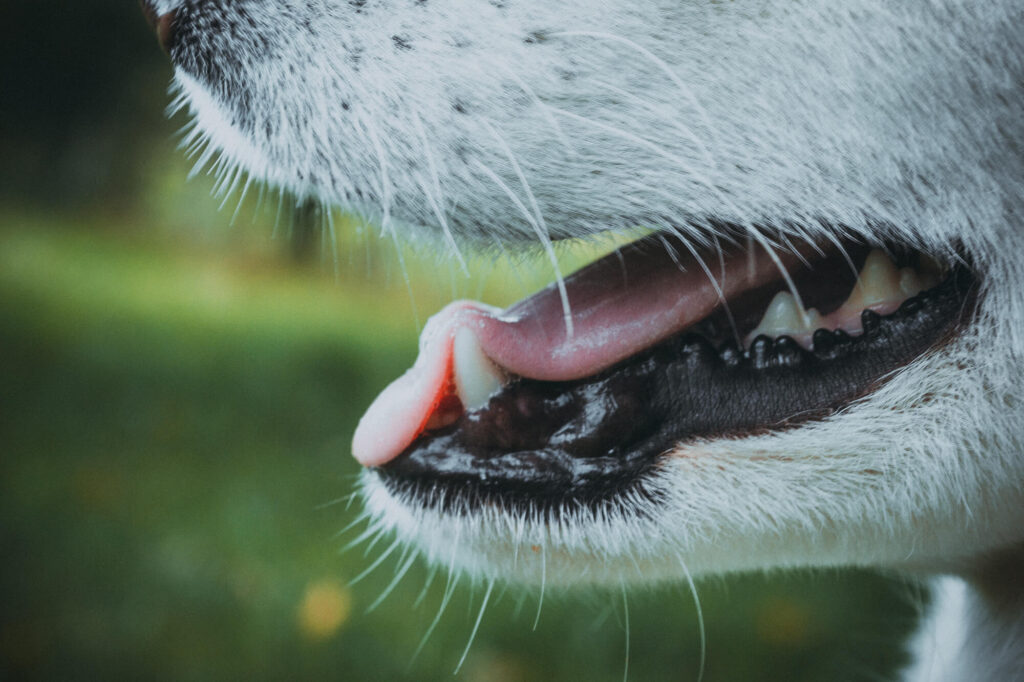
Every February is Pet Dental Health Month. Because pet dental health is often overlooked, the month was chosen to help advocate for the importance of caring for your pet’s teeth and to bring awareness to pet dental health. In fact, dental issues are one of the top ten most common health issues for both dogs and cats. So, Pet Dental Health Month was created to help educate pet owners on the importance of good pet dental health. Bringing awareness to this common problem means that we can help fellow pet owners keep their beloved pets healthy and happy.
Pet Dental Health & Caring For Your Pet
February is the month of love, so show your pet some extra love this month and take some time to care for their teeth. Maintaining a consistent routine of caring for your dog or cat’s teeth will help to keep them healthier and happier. Even starting by getting them a special dental toy and treats and getting their teeth regularly checked can go a long way in improving their dental health.
To celebrate Pet Dental Health Month, Bone & Biscuit put together a special Boneified Deal for the month of February. Until the end of February, you can get great discounts on our Redbarn Chew A Bulls and our Tropiclean Fresh Breath Oral Care Items at participating Bone & Biscuit locations. You can find out more about this special deal here.
Need advice on what dental care products you should add to your dog or cat’s routine? Stop by your local Bone & Biscuit store and our Bone & Biscuit family can help you find the right products for your pet’s dental needs.
Very good commits