Summer is in full swing! And now with many of the COVID-19 restrictions lifting in Canada and around the world, many of us are finally able to start travelling again. As you’re planning your trips for the summer, you’ve probably encountered a big question that many pet owners have to consider: how are you going to travel with your pet this summer?
If you’re planning a trip and hoping to bring your cat or dog along for the ride, don’t worry! It doesn’t have to be as stressful as it sounds. While it may take more organizing and planning than usual, leaving your pet behind doesn’t have to be the only option, especially if you were hoping to bring them with you.
Read on for Bone & Biscuit’s pet travel tips to help you travel with your dog or cat this summer.
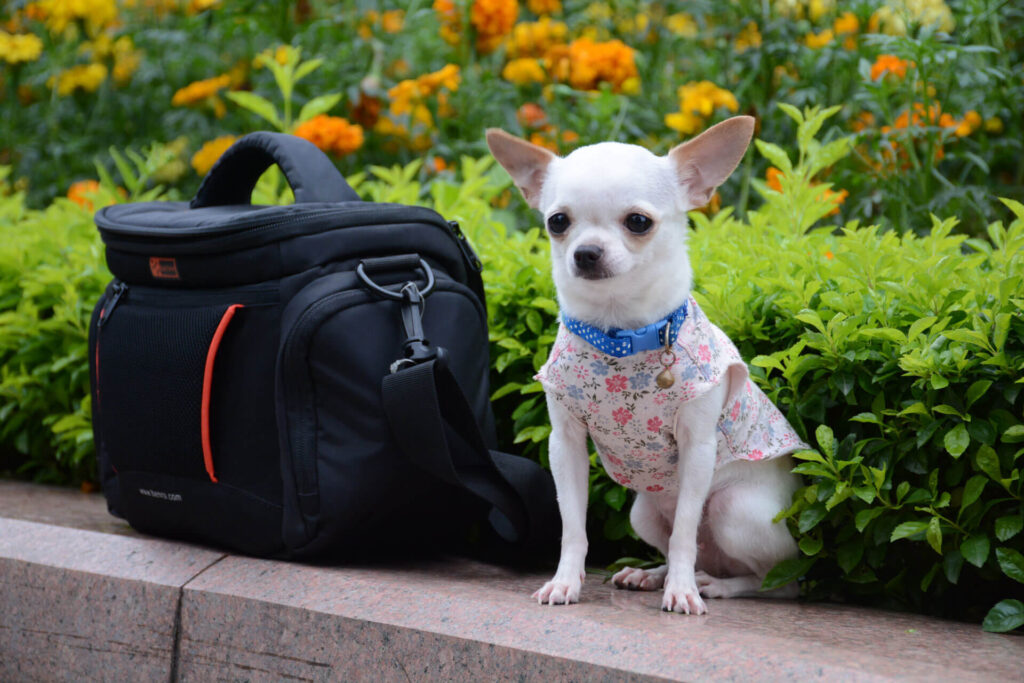
1. Get The Right Pet Carrier For Travelling With Your Dog Or Cat
A pet carrier may seem obvious, but finding the right one is where it can get tricky. Often, it depends on the size of your pet, where you’re travelling, and most importantly, how you’re travelling.
For instance, travelling by car requires a different type of carrier than if you’re planning on flying. Flying often means being able to either put your pet in their carrier under the seat in front of you or in the seat next to you, while being in a car allows for much more space and flexibility in the type of carrier.
Pet Carriers for Flying With Your Pet:
Often, a soft pet carrier works best if you are planning to fly with your cat or small dog, as its material allows for more flexibility in fitting your pet in the required areas of the plane. It is also often a bit more comfortable for small pets simply due to the softer material (so long as they can comfortably stand up or turn around in the carrier). Of course, if you’re flying with a larger dog and they need to go in the baggage compartment, you’ll want to choose a solid and sturdy carrier. Please keep in mind that we don’t recommend having your dog travel in the baggage compartment if there are other options available, as it can be very stressful for most animals. Depending on the airline, there will be different requirements for pet travel as well, so be sure to contact your airline in advance.
Pet Carriers for Driving With Your Pet:
A hard-sided pet carrier is usually safer in vehicles, as it offers a more protective shell for your pet, and won’t shift as a soft pet carrier might. Another great option when travelling by car is using a dog car seat. Still buckled in much like a toddler would be, dog car seats offer safety and comfort for dogs as they can be closer to you in the vehicle, see out the windows better, and are simply less stressful than enclosed carriers often are for some dogs.
Of course, another thing to keep in mind is the size of your pet; a Great Dane, for instance, won’t be able to sit in a car seat or travel on a plane as a Chihuahua would. For larger pets, make sure you have a durable harness that wraps around their body (instead of just a collar!) as this will be more comfortable for your pet. If you are travelling by car and are able to fit one in the back of your vehicle, try to find a pet crate to offer your larger dog more safety while in the vehicle.
Here’s what you should keep in mind when finding a pet carrier for travelling:
- If travelling by plane with a small dog or cat, invest in a sturdy, soft pet carrier.
- If travelling by vehicle with a small to medium-sized dog, invest in a dog car seat.
- If travelling with a medium to large dog, invest in a sturdy, hard-sided pet carrier or crate, and get a durable harness that wraps around their body.

2. Make Their Pet Carrier or Area As Comfortable As Possible
Along with finding the right style of pet carrier for your dog or cat, you’ll want to ensure that the space is comfortable and that it won’t make the journey more stressful for them.
Things you can do to make their carrier space more comfortable:
- Add a dog blanket, small dog bed or cushion to make the bottom softer and nicer to lie on.
- Add something that smells like you or their home, such as an old t-shirt (familiar scents can go a long way in making them more comfortable when stressed).
- Put some of their favourite toys in the pet carrier (even if they won’t be playing, it’s an extra layer of comfort and familiarity for them).
- While it may not be filled the entire time, make sure to have a food and water dish handy for when your pet needs a snack or water.
- Add anything else that you know your pet finds comforting or likes to have available (such as that one shoe they stole from you and won’t give back, or a specific dog sweater they like to wear).
Another thing to keep in mind is your pet’s personality and behavioural habits – does your pet get anxious and easily triggered by sounds or sudden movements? Consider covering some of the holes in the carrier with blankets to block out noise (but make sure they still have ample airflow). Does your pet not like enclosed spaces? Consider a carrier with more openings or clear sides so they can look out when they need to.
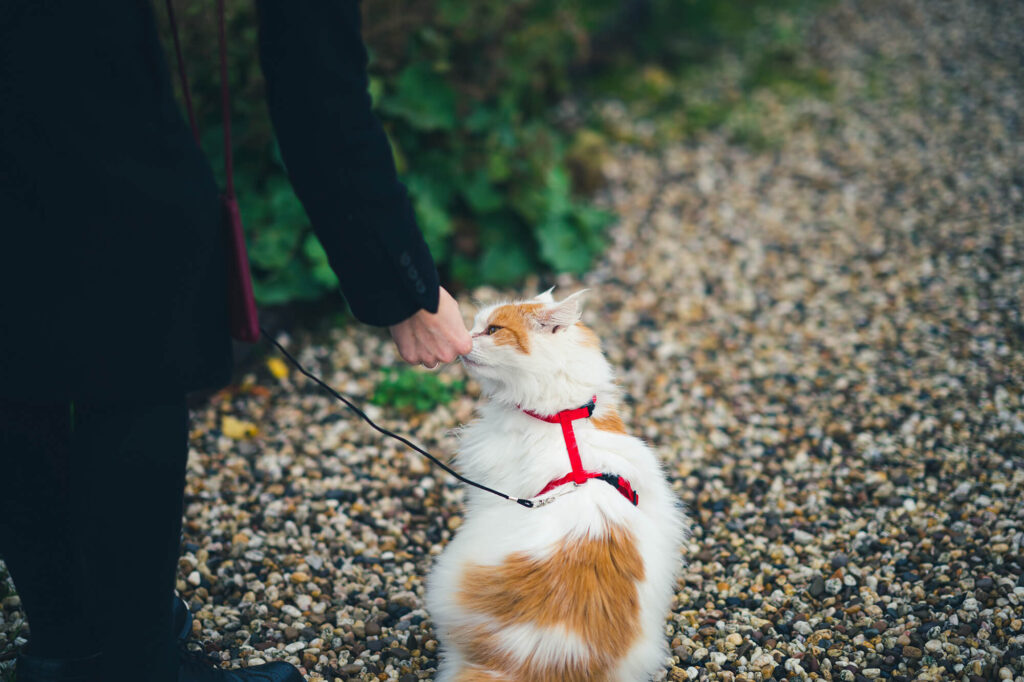
3. Be Prepared to Soothe Your Pet If They Get Anxious
Even with great carriers and comfortable space, your dog or cat may still get anxious. Keeping that in mind and preparing for it will help you to know how to calm down your pet if you need to.
Not all dogs and cats can be soothed the same way, so keeping your own pet in mind will also help you find what method works best for your pet. However, we have some general tips that can help you try and relax your pet when they are becoming anxious:
- Use food activity toys and puzzle toys to keep your cat or dog distracted.
- If noises seem to be the issue, try to muffle the sounds as best you can with blankets, jackets or whatever else you might have to block out the noise around their carrier.
- Use soothing, soft tones when speaking to your pet – raising your voice or speaking harshly will not work to calm them down.
- Depending on your pet, give them attention or give them space. If your dog or cat is usually calmed by your touch, try to pet them and remind them of your presence. Of course, if your cat or dog prefers more space, try not to overcrowd them.
- If you are travelling by car and can pull over, take the time to take your pet out of the carrier and allow them some time to explore the car (make sure they can’t escape and that it’s safe to do so) or take your dog on a walk for some exercise and fresh air.
- If necessary, you can use what’s called “anxiety vests” for your dog or cat. Also known as “Thunder Shirts” or “anxiety wraps”, anxiety vests for dogs and cats are designed to help anxious pets by applying light pressure to their torso area, much like swaddling a baby. There are many options available for both cats and dogs. It’s a more natural and non-invasive way to calm your pet while travelling.
- Some pets also respond well to music therapy, which can help if your cat or dog is anxious about noises. Of course, keep in mind your neighbours if travelling on a plane!
Much of making your pet less anxious about travelling simply comes down to training and practice. However, these common methods can help if you’re in a pinch.
4. Get Your Documents, Shots and Vet Checks Ready Before You Travel
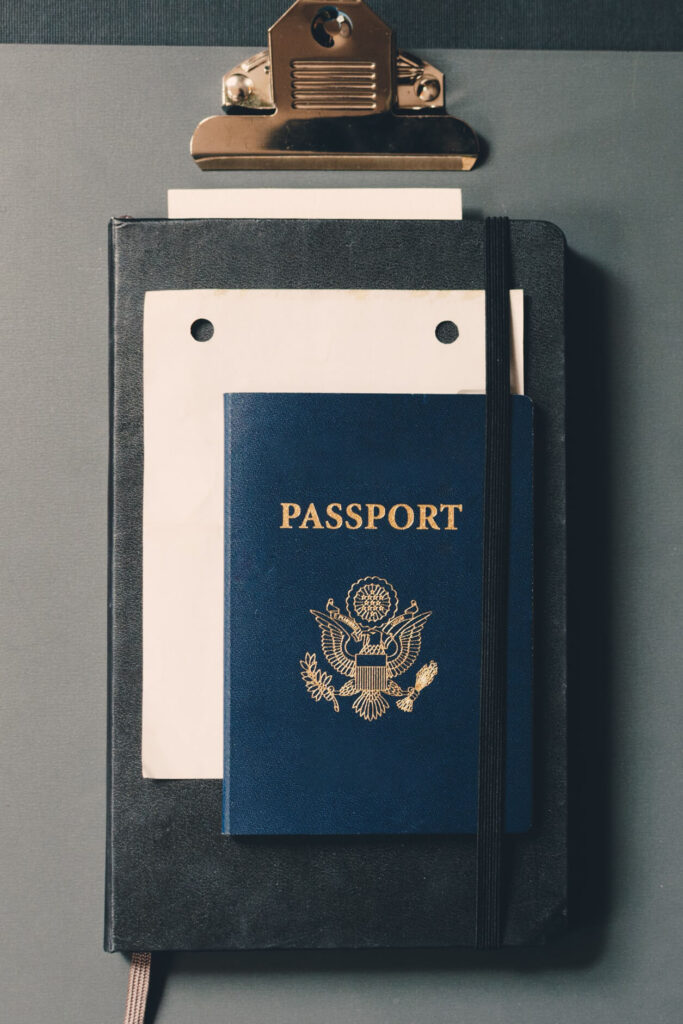
Often forgotten, but still very important is ensuring your pet is up to date with their shots and documents. While more vital for international travel, you should still ensure your pet is in good health and up to date on any vaccines before a long trip. Setting up a checkup with your veterinarian before you head off is also a great idea, as they can make sure their heart is healthy and that there aren’t any other health issues to be concerned about before heading on your trip.
If you’re travelling abroad, or even to just another province, making sure your pet’s documents and licensing are all in order is also important. Also known as a ‘pet passport’, these official documents often must be filled out by a veterinarian, and are to ensure your pet is safe to travel abroad or via a plane. Make sure to read about any requirements and prepare in advance for your pet to enter the country you’re going to. For travelling internationally with your pet, the Government of Canada recommends that you contact the embassy of your destination for any requirements surrounding your pet. This helps to avoid any confusion, missing documents or shots, or any restrictions you may have missed while planning, as many countries have different rules and restrictions surrounding pets.
5. Get Familiar With The Area You’re Travelling To & Plan With Your Pet In Mind
While in the midst of planning your summer trip, it’s important to keep in mind what will work for your pet. Some trips make for an excellent adventure with your pet, while many do not.
Things to keep in mind are what sort of activities you can do with your pet nearby (such as hikes or pet-friendly beaches) as well as the accommodations that will accept pets. There’s nothing worse than a bored dog cramped up in a hotel suite with nothing to do, or getting charged a large fine for bringing your pet to a hotel that doesn’t allow them. Planning out a trip with fun activities for everyone in your family, pets included, will make sure that everyone has a good time.
Another thing to check out beforehand is the local veterinarians in the area. While you may not need them, scoping out the veterinarians and emergency pet clinics will help you be prepared in case of an emergency, instead of scrambling in the moment of one. If an area doesn’t have a veterinarian nearby, or you feel uncomfortable with the veterinarians in the area (such as bad reviews), you should consider either choosing a different location or not bringing your pet on that trip. Even if it seems unlikely, ensuring your pet has safe and recommended care wherever you go is important.
Not all trips are meant for pets. If the trip you’re wanting to plan seems like it will more often than not have your pet stuck in a hotel room, or seems ill-equipped in case of an emergency for your pet, consider a different location, or don’t bring your pet with you on the trip.
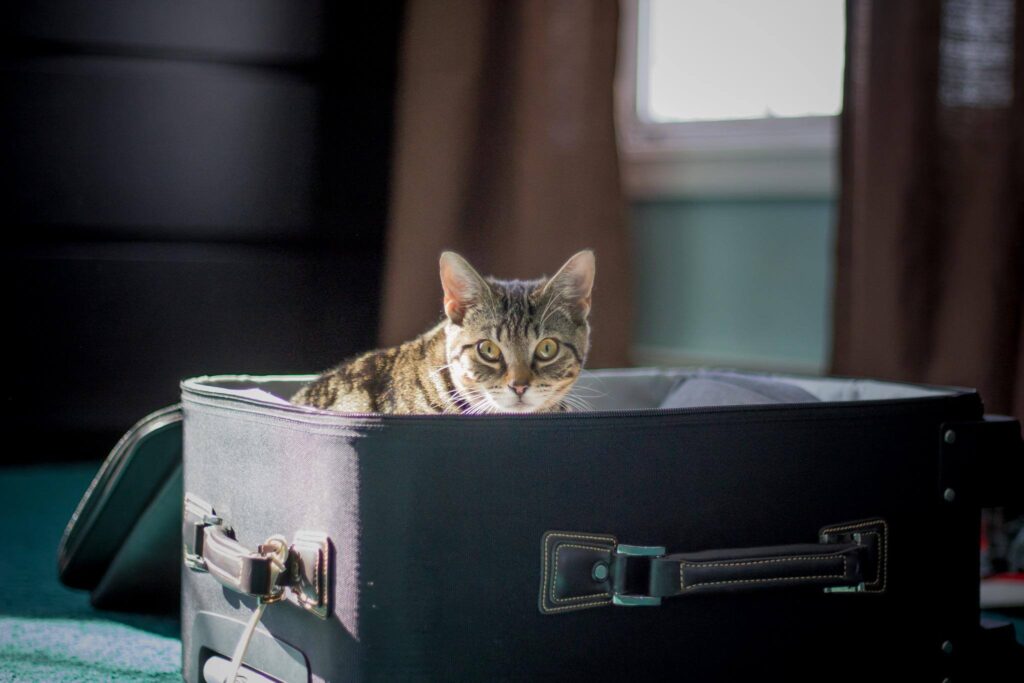
6. Make A Pet Travel Checklist and Pre-Pack
Don’t leave this last minute! Last-minute packing always leads to something being forgotten. Take the time to make a pet travel checklist to help you pack more efficiently, and pack before you leave. Go over your pet’s things (and yours, too, while you’re at it) before you leave to make sure you have everything ready to go.
We also recommend bringing your checklist with you, that way you can use it to help you repack when the trip is done and to make sure you don’t leave anything behind, either.
Here’s a quick list of some things you’ll want to consider bringing with you for your pet (keeping in mind your own pet’s needs, too):
- Pet carrier or crate
- Dog harness and leash
- Pet collar with all the proper tags and (up-to-date) licenses attached
- Your dog’s food or cat’s food, as well as food and water dishes
- Dog treats or cat treats
- Dog poop bags
- Some dog toys or cat toys
- Any medication that your cat or dog needs
- Pet passport and documentation
- A blanket or bed for them to lay on
- Dog shampoo and brushes (you never know when they may need a good bath)
- Anything else you typically need in your pet’s day-to-day routine
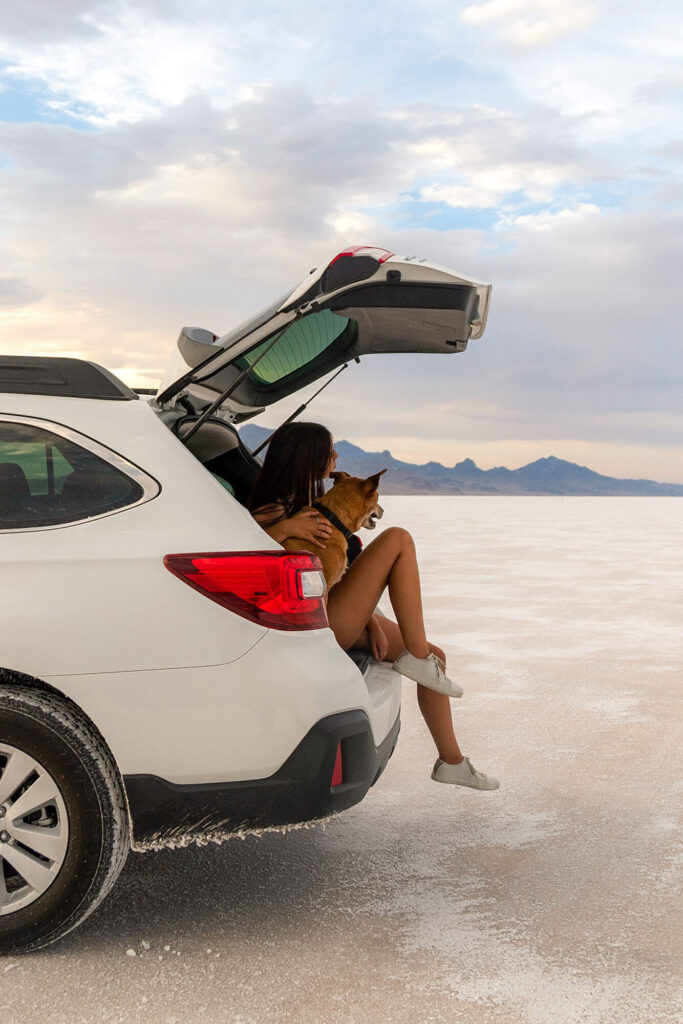
7. Practice, Practice, Practice!
One of the best things you can do to prepare you and your pet for travelling this summer is to practice, practice, practice! ‘Practicing’ travelling with your pet means simulating the trip as close as possible where you can.
Things you can do to help practice travelling with your pet:
- Getting your pet used to their carrier or crate beforehand
- Driving around with your pet in the car (even if you’re flying, driving will be one of the closest things you can get to simulating a plane for your pet)
- Getting them socialized so that they’re used to people and other animals
- Trying on any anxiety vests, clothing or even a new harness that they’ll need to wear
- And training them where you can
The more time you spend getting your dog or cat used to things like their carrier, harnesses, the car and other aspects of travelling, the better. Practicing will also give you an idea of how your dog or cat may fair while travelling. Of course, if your pet seems to not be taking to the practice at all and is only becoming more and more anxious, it may be your sign that travelling is just not right for your pet. Consider making other arrangements for your dog or cat for your trip.
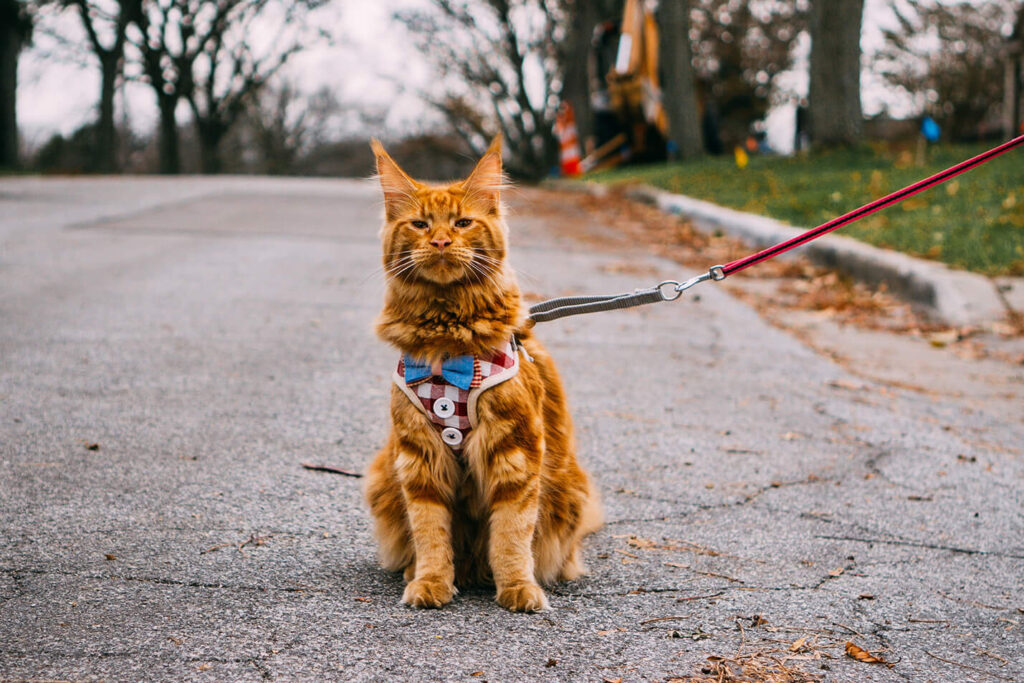
Pet Travel & Travelling With A Dog Or Cat This Summer
Travelling with your pet can be a fun and exciting adventure. Many dogs and cats love being able to join you on your trips and participate in the fun. Of course, getting things organized for pet travel can feel overwhelming. We hope tucking these tips in your back pocket will help you feel more prepared for travelling with your pet this summer.
If you’re in need of some new pet supplies for your pet to travel this summer, stop by your local Bone & Biscuit store for advice and to find the right products for you and your pet.